
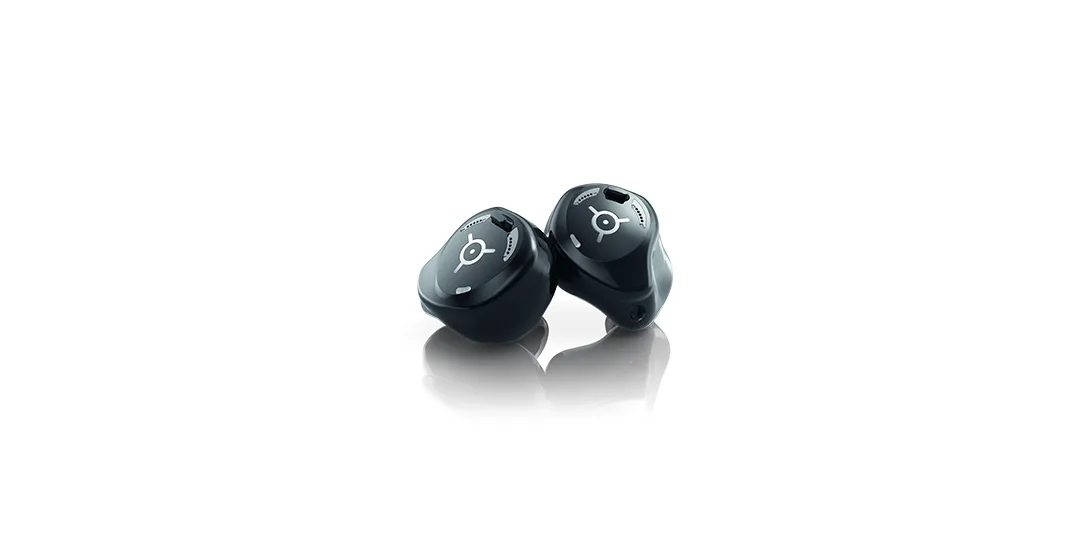


How much do hearing aids cost and what affects the price?

How much do hearing aids cost and what affects the price?
9 min.
Publication Date: February 19, 2026
If you’re considering hearing aids, cost is often one of the first questions that comes up—and one of the hardest to answer clearly. You may see a wide range of prices online or hear very different experiences from friends and family, which can make it difficult to know what’s reasonable or what to expect.
The reality is that the cost of hearing aids isn’t based on a single factor. Prices vary because hearing aids are personalized medical devices that combine technology, professional care, and ongoing support. Understanding what influences the cost—and why quality matters—can help you feel more confident as you move toward a consultation.
- What factors influence the cost of hearing aids?
- Are lower-cost hearing aids better value?
- Why does professional fitting and ongoing care matter?
- Why prioritizing quality makes a difference in the long run
Note: Our Hearing Care Providers (HCPs) are here to support your hearing health and provide personalized guidance. However, if you're concerned about medical issues affecting your hearing, always consult your healthcare provider first.
What factors influence the cost of hearing aids?
There isn’t a single answer to how much hearing aids cost because pricing depends on several interconnected factors, including ongoing research and development. Rather than thinking in terms of one fixed price, it’s more helpful to understand what goes into the overall cost and why it can vary so much from person to person.
1. Hearing aid technology level and features
One of the biggest factors influencing hearing aid cost is the level of technology. More advanced hearing aids typically include features designed to handle complex listening environments, such as noisy restaurants or group conversations. These devices may also offer more refined sound processing, greater adaptability, and additional comfort features.
Entry-level options can still provide effective amplification but often include fewer advanced capabilities. The right technology level depends on your lifestyle, listening needs, and how you spend your time.
2. Degree and type of hearing loss
The nature of your hearing loss also affects cost. More complex or severe hearing loss often requires more sophisticated technology and greater customization to ensure clarity and comfort. This personalization plays an important role in how well hearing aids perform in everyday situations.
3. Style and form factor
Hearing aids come in a range of styles, from behind-the-ear models to more discreet in-the-ear options. Some styles require additional customization or specialized components, which can influence overall cost. The best style for you depends on hearing needs, comfort preferences, and ease of use.
4. Customization and fitting requirements
Hearing aids are not one-size-fits-all devices. Proper fitting and programming ensure the device works effectively for your specific hearing profile. At Connect Hearing, the level of customization required—including fine-tuning and follow-up adjustments—doesn’t affect the price.
5. Ongoing professional care and support
Hearing aid costs often reflect more than the device itself. Ongoing care, including follow-up visits, adjustments, and long-term support from a Hearing Care Provider (HCP) is an essential part of successful hearing aid use. This professional involvement helps ensure the devices continue to meet your needs over time.
Are lower-cost hearing aids better value?
Lower-cost hearing aids can be appealing, especially when budget is a major concern. However, a lower upfront price doesn’t always translate to better value over time.
In some cases, lower-cost options may offer fewer features, limited customization, less professional support, and shorter warranty periods. This can make it harder to achieve comfortable, consistent hearing, particularly in challenging listening environments. If hearing aids don’t meet your needs or require frequent replacements or adjustments, the long-term value may be reduced.
Value is best measured by how well hearing aids support your daily life, communication, and comfort, rather than price alone.
Why does professional fitting and ongoing care matter?
Hearing aids work best when they’re part of a personalized care process rather than a one-time purchase. Professional fitting and ongoing support from a Hearing Care Provider (HCP) help ensure hearing aids are comfortable, effective, and adapted to your specific hearing needs.
Professional fitting starts with a hearing test that looks beyond basic volume levels. Your Hearing Care Provider (HCP) will consider how you hear in different environments, which sounds are most challenging, and how hearing loss affects your daily life. This information guides how the hearing aids are programmed so sound feels clear and natural, not overwhelming.
Ongoing care is equally important, especially as you adjust to hearing aids over time, and may include:
- Fine-tuning and adjustments based on real-world listening experiences.
- Support during the adjustment period as your brain adapts to new sounds.
- Monitoring changes in hearing, which may require reprogramming.
- Guidance on care and maintenance, helping devices perform reliably.
This continued relationship helps address issues early and ensures your hearing aids continue to meet your needs as they change. Many people find it helpful to learn more about this process when adjusting to a new hearing aid.
Why prioritizing quality makes a difference in the long run
Choosing hearing aids is an investment in your hearing health and quality of life. While cost is an important consideration, focusing on quality, fit, and professional support often leads to better long-term outcomes.
Key takeaways
- Hearing aid cost varies based on technology, hearing needs, and care.
- There is no single standard price that applies to everyone.
- Lower-cost options may not always offer the best long-term value.
- Professional fitting and ongoing care are essential for success.
- Prioritizing quality supports comfort, clarity, and satisfaction over time.
If you’re considering hearing aids and want a clearer understanding of cost and value, professional guidance can help. You can book a free hearing test or find a Connect Hearing clinic near you to discuss your hearing needs, explore options, and make an informed decision with confidence.
Author
Connect Hearing Canada