


How to protect your hearing at hockey games
How to protect your hearing at hockey games
9 min.
Publication Date: August 29, 2019
Article Updated: January 29, 2026
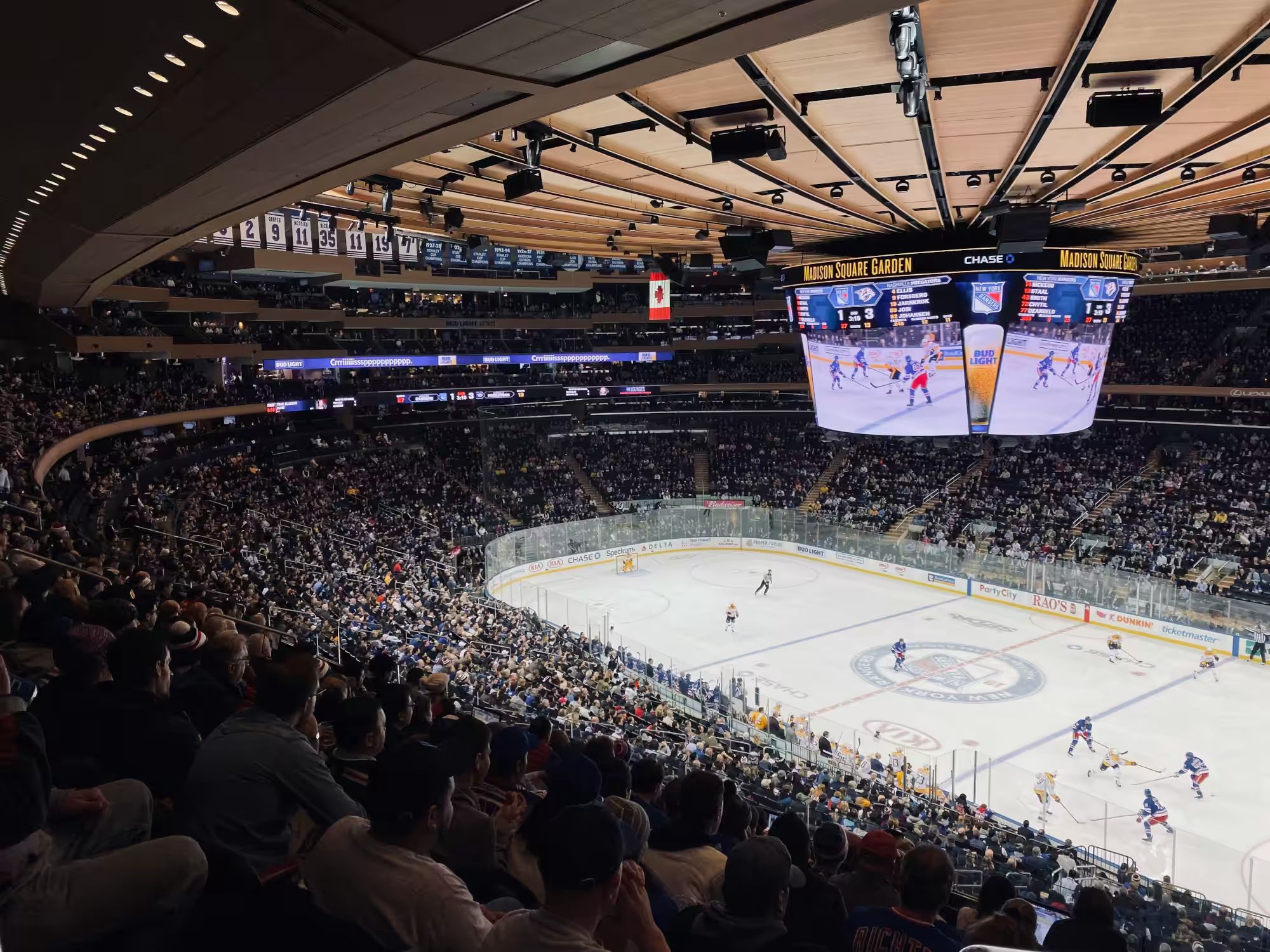
The roar of the crowd, the goal horn, and the energy inside a packed arena are all part of what makes hockey so exciting. For many Canadians, memories of hockey are tied to family traditions, playoff runs, and unforgettable live games. But one part of the experience we don’t always think about on the way to the rink is just how loud it can get inside an arena.
While the excitement is real, so is the risk to your hearing. The good news is that protecting your ears doesn’t mean missing out on the fun. With a bit of awareness and a few simple habits, you can enjoy the game while keeping your hearing safe.
- How loud do hockey games really get?
- Why can loud arenas damage your hearing?
- How can you protect your hearing at a hockey game?
- What about children and young fans?
- Can earplugs actually help you hear better in a crowd?
- Enjoying the game without risking your hearing
Note: Our Hearing Care Providers (HCPs) are here to support your hearing health and provide personalized guidance. However, if you're concerned about medical issues affecting your hearing, always consult your healthcare provider first.
How loud do hockey games really get?
Hockey arenas are designed to amplify excitement—and sound. Crowd noise builds quickly, especially during goals, playoff moments, or rivalry games. Add goal horns, music, and announcements, and sound levels can rise much higher than many people expect. In fact, noise levels at live hockey games can reach:
- 100–110 decibels during regular play
- 115–120 decibels or more during goals or peak moments, which is comparable to a jackhammer or jet engine during takeoff
At these volumes, even relatively short periods of exposure can strain the inner ear, especially if you attend games frequently or stay for extended periods.
Why can loud arenas damage your hearing?
Inside your inner ear are tiny sensory hair cells that convert sound vibrations into signals your brain understands. These cells are delicate, and once they’re damaged by excessive noise, they don’t regenerate. That’s why noise-induced hearing loss is permanent and can develop gradually without obvious warning signs.
What makes hockey arenas particularly risky is the combination of high volume and duration. The sound may not feel painful in the moment, but repeated exposure over a full game or season can still cause damage. Ringing in the ears or muffled hearing after a game are signs that your ears have been overworked.
How can you protect your hearing at a hockey game?
Protecting your hearing doesn’t mean muting the experience. In fact, small steps can make a big difference without taking away from the excitement. Some practical ways to reduce your risk include:
- Bringing earplugs with you and using them during peak noise moments.
- Taking short breaks in quieter areas of the arena.
- Choosing seats farther from speakers or goal horns when possible.
- Limiting how often you attend very loud events without protection.
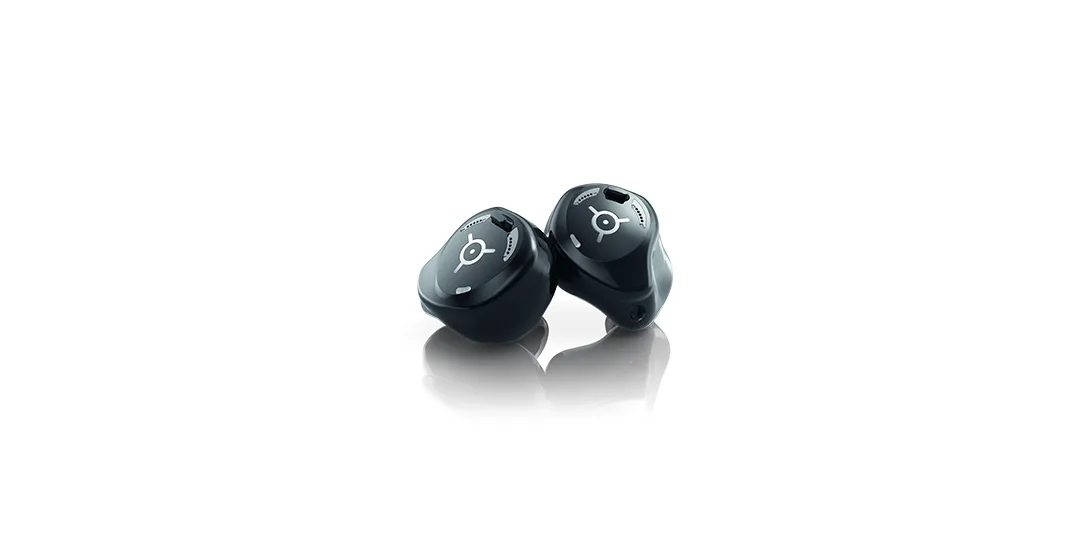
Reusable earplugs are small, affordable, and easy to keep in a pocket or bag, making them one of the simplest tools for hearing protection.
What about children and young fans?
Children’s ears are especially sensitive to loud sound. Their ear canals are smaller, and their auditory systems are still developing, which means loud environments can affect them more quickly than adults. Because kids may not recognize or communicate discomfort right away, adults play an important role in protecting their hearing.
Child-sized hearing protection is widely available and designed to be comfortable and fun to wear. Making ear protection part of the game-day routine also helps kids learn that hearing safety is normal rather than something to feel awkward about.
Can earplugs actually help you hear better in a crowd?
It may seem counterintuitive, but wearing earplugs in a loud arena can actually make conversations easier to follow. By reducing overwhelming background noise, earplugs can improve speech clarity and reduce listening fatigue. Some benefits people notice when wearing earplugs include:
- Clearer conversations with friends or family.
- Less ringing or fullness in the ears after the game.
- Reduced listening fatigue.
- Greater overall comfort during the event.
Rather than “blocking out” the experience, earplugs help balance the sound environment so your ears and brain don’t have to work as hard.
Enjoying the game without risking your hearing
Hockey is loud, passionate, and exciting—and that’s part of what makes it special. Protecting your hearing doesn’t mean stepping away from the action. It simply means being aware of the risks and taking small, sensible steps to reduce them.
Key takeaways
- Hockey arenas can reach sound levels that may damage hearing.
- Noise-induced hearing loss is permanent but preventable.
- Earplugs protect your hearing without ruining the experience.
- Children need extra hearing protection in loud environments.
- Small habits can preserve your hearing for years to come.
If you attend loud events regularly or notice changes in your hearing, we’re here to help. You can book a free hearing test or find a clinic near you to learn more about hearing protection and long-term hearing health.
Author
Connect Hearing Canada